PUBLISHED IN DOSSIER ISSUE 2
Fair Game
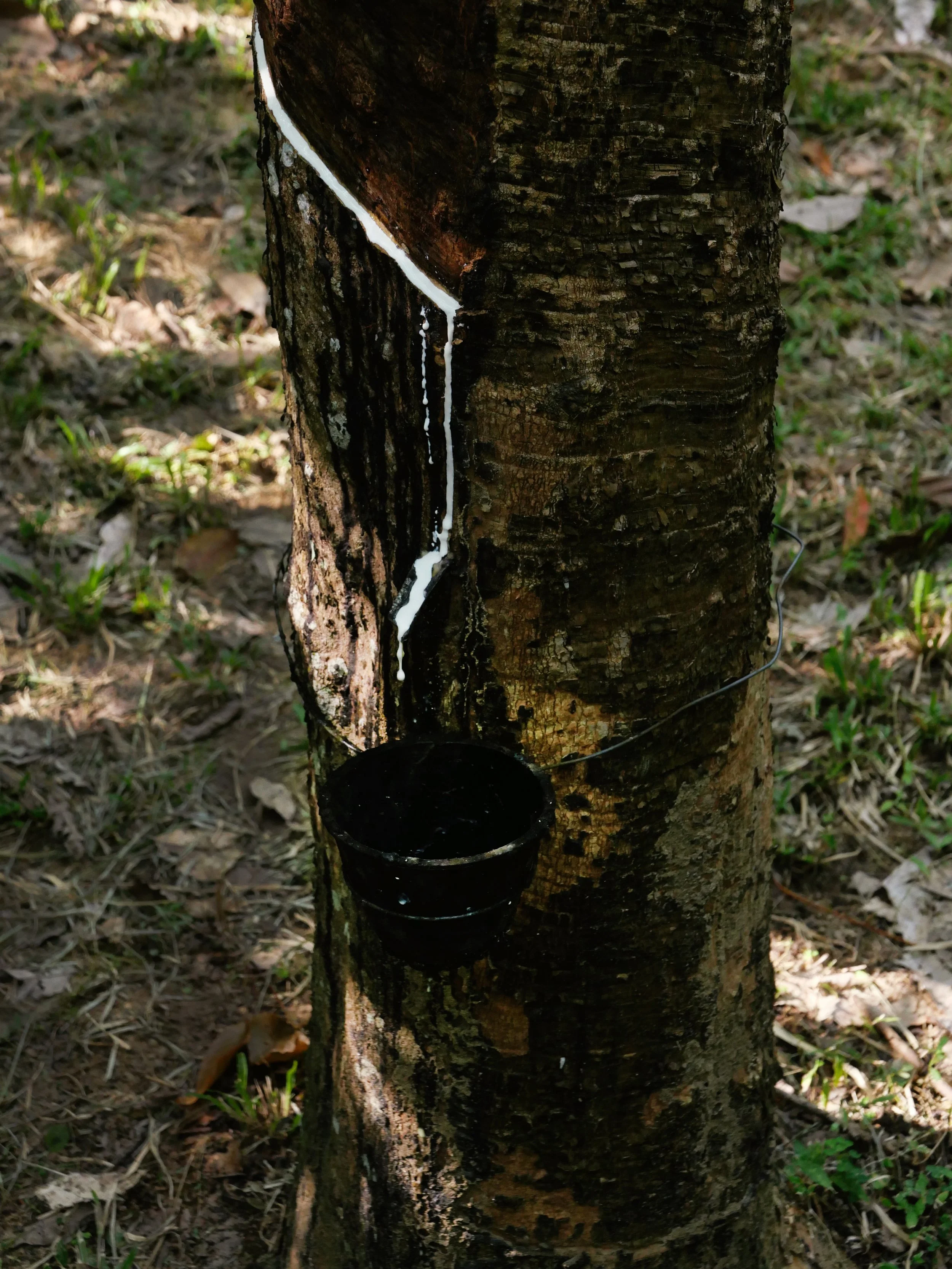
THERE ARE two kinds of rubber, which come from very different places. The natural kind comes from a sap called latex that sits underneath the bark of Hevea brasiliensis, more commonly known as the rubber tree. The sap is harvested through a process called tapping, in which a small cut is made in the bark to a precise depth, allowing the latex to flow without damaging the tree. It then drips down into a small cup, an activity that can be repeated daily for 20 years, until the trunk of the tree is laced with ropy scars. Natural rubber has been harvested this way for at least 3,000 years.
The other kind of rubber, like so many other things we touch in our daily lives, is made of — you guessed it — petroleum. When I looked up how it is made, I found a description of how a substance called naphtha (a flammable oil produced from a petrochemical base) is used to create monomers such as butadiene, styrene, and propylene. While I don’t know exactly what all those words mean, I think I can reasonably say they describe a much less natural process.
Rubber trees have long, thin trunks. They have been bred to grow straight, up to a modest puff of leaves at the crown, allowing them to be planted in tight rows. Indigenous to South America, they were exported to other tropical climates during colonial times, and most rubber is now produced in Asia. Sri Lanka is a small country, which in terms of volume places it low on the list of the world’s top rubber producers. But rubber is an important crop, and the quality it produces is high. Sri Lanka is also, notably, a nation of independent suppliers, with 65% of rubber trees planted on small, family-owned farms.
I didn’t know any of this before visiting Sri Lanka. I didn’t know much about the country at all, beyond where it is — a small, tear-shaped island, hanging off the bottom of the Asian subcontinent into the Indian Ocean — and that it is known for growing tea (I love tea). And I certainly didn’t know about the distinction between natural and synthetic rubber, not until I embarked on a trip to follow the supply chain of Earthfoam, an organic latex mattress company.
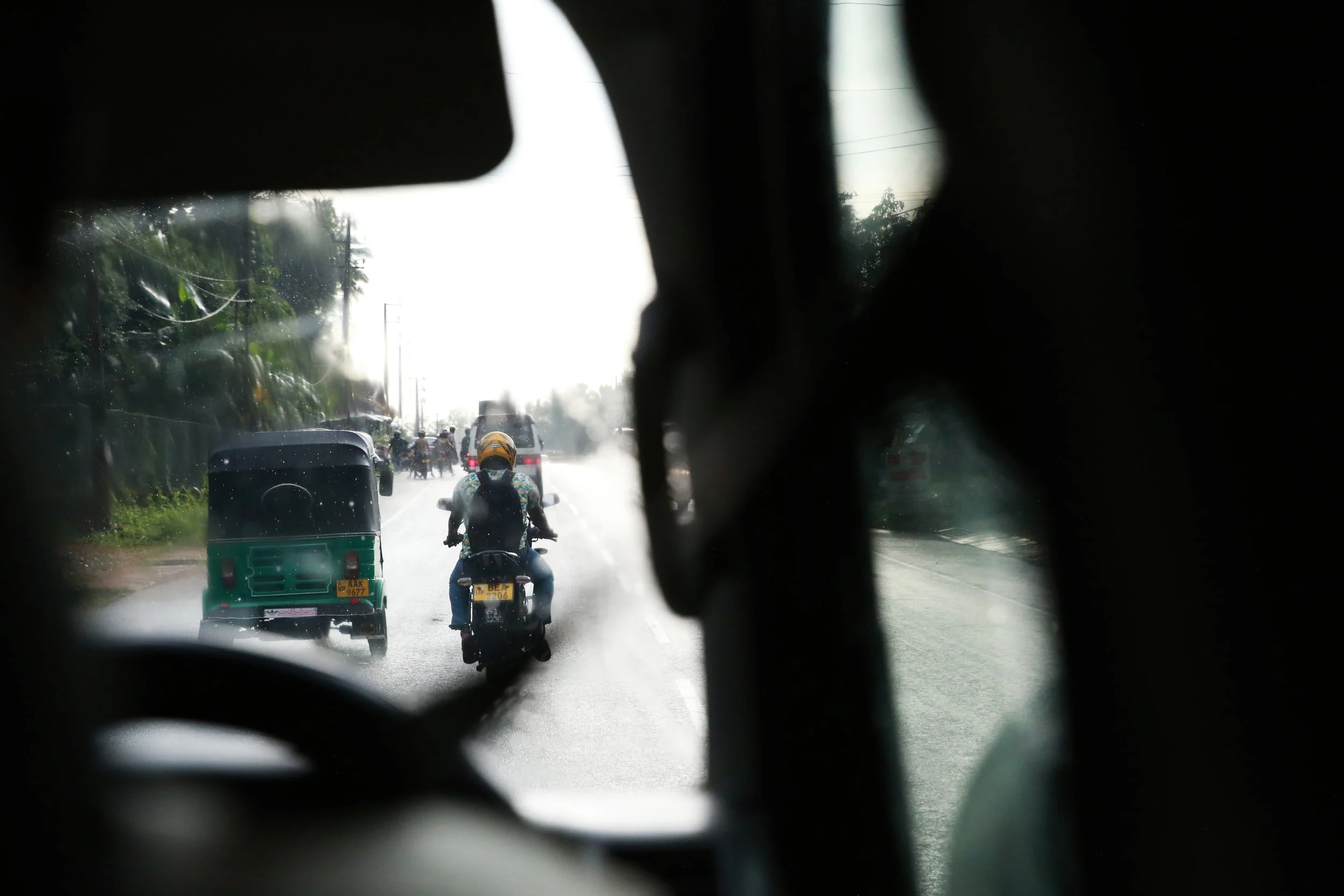
I traveled from the country’s Western Province, where Earthfoam’s factory is located, to Monaragala, on the island’s eastern side, where many of the farmers the company works with live. It was a six-hour drive, most of it on Sri Lanka’s exceptionally well-maintained expressway, which loops around the lowlands on the outside of the island, skirting its mountainous interior. Upon exiting, we moved onto smaller thoroughfares, where monkeys hung upside down from the electrical wires extended across the road and two-way traffic was less orderly: a high-strung ballet of cars passing trucks piled with bananas, bicycles ringing their bells, scooters carrying multiple passengers, all weaving around pedestrians. Clusters of schoolgirls in starched white skirts and navy blue ties, their hair plaited down their backs, waited for the bus next to men wearing sarongs paired with button-down dress shirts. Enormous monitor lizards sunned themselves on the far edges of the dirt shoulders, as the road wound up from the lowlands into the mountains.
When Karl Shevick, one of Earthfoam’s founders, first met Januka Karunasena, a native Sri Lankan who would eventually become his business partner, he had never been to the country. He and Karunasena connected by email when Shevick was researching natural latex suppliers. Their encounter has since grown into an extended family business (their third partner is Shevick’s brother, Ezra), spread over two countries.
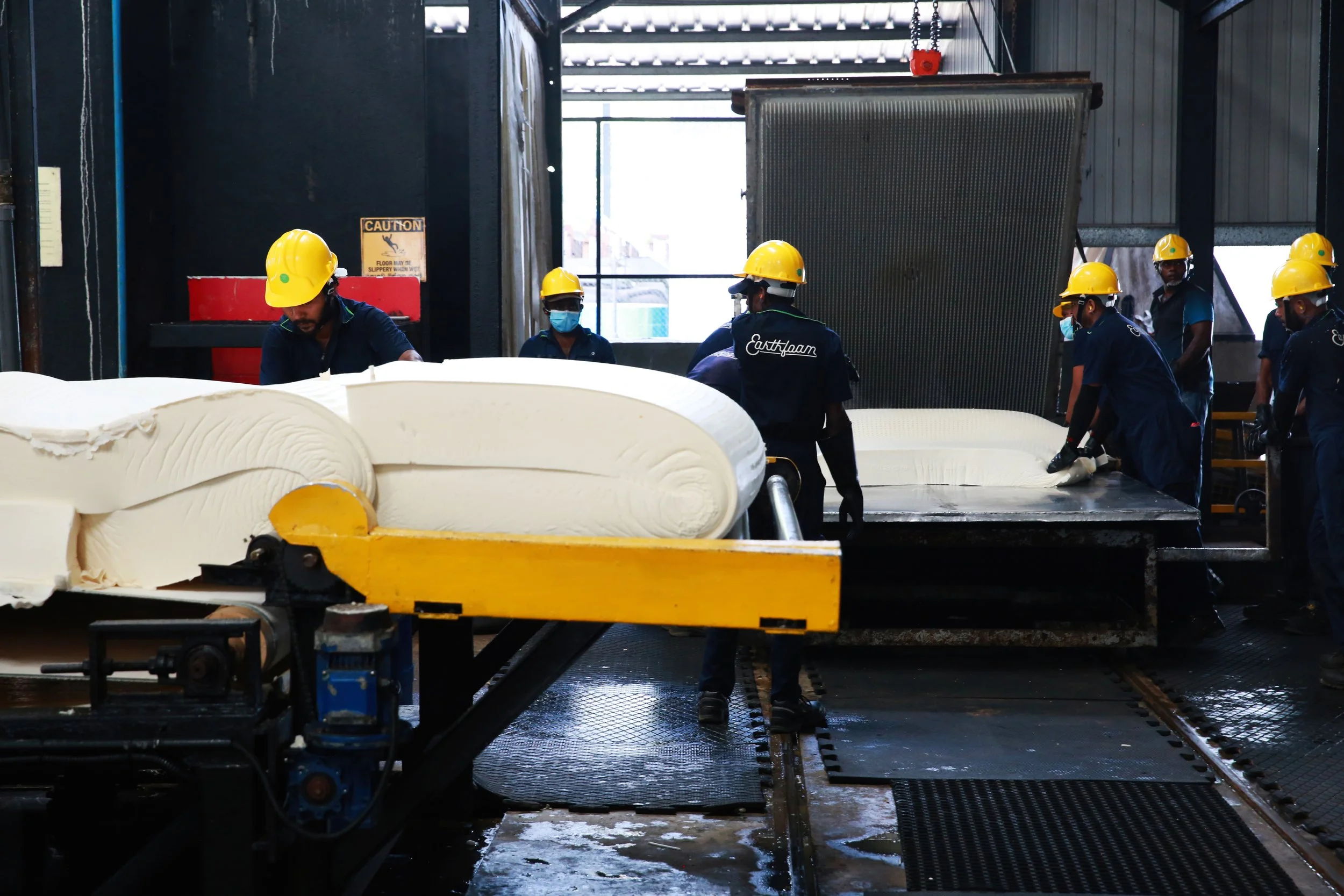
Together, they built a factory in Horana, Karunasena’s native village. About 90 minutes from Sri Lanka’s capital, Colombo, this is where the liquid latex — which looks a little like marshmallow fluff — is injected with air, the amount determining the rubber’s desired firmness (more bubbles, less firm), then poured into giant molds. The molds resemble waffle irons and work on the same principle: The rubber is cooked (“vulcanized,” if you prefer a more technical term) as it moves down the conveyor belt through giant ovens. What comes out at the other end is slabs of squishy foam, which are packed into containers and sent to the factory in Shevick’s hometown of Chicago, where they are turned into mattresses.
None of this was planned when Shevick and Karunasena first met. They simply identified a space in the U.S. market for a more natural mattress and, unable to find a supplier to fill it, decided to become that supplier. Latex mattresses have plenty to recommend them: Along with having the possibility of being organic (as Earthfoam’s are), less toxic (no polyurethane foam means no off-gassing), and sustainable (they decompose), they are also known to have a longer useful life (almost twice that of traditional mattresses). But the company’s sustainability story has become bigger than that.
“Fair trade” is a phrase we often see stamped on items at the grocery store, usually in the organic section. At its base, the designation is meant to signify that a product has been produced through a responsible supply chain by a corporation that strives towards social responsibility in the communities in which they operate. In practice, like “sustainable,” or “organic,” fair trade can have many different definitions. There are an array of organizations that offer these certifications, all with varying standards.
Earthfoam currently holds six fair-trade certifications, including Fair for Life, which has stringent requirements certifying each step of the supply chain. Workers in the company’s factories are paid a fair wage and standards for their rights are ensured, including collective bargaining. (These standards have positively impacted workers in both Earthfoam’s Chicago and Sri Lanka factories.)
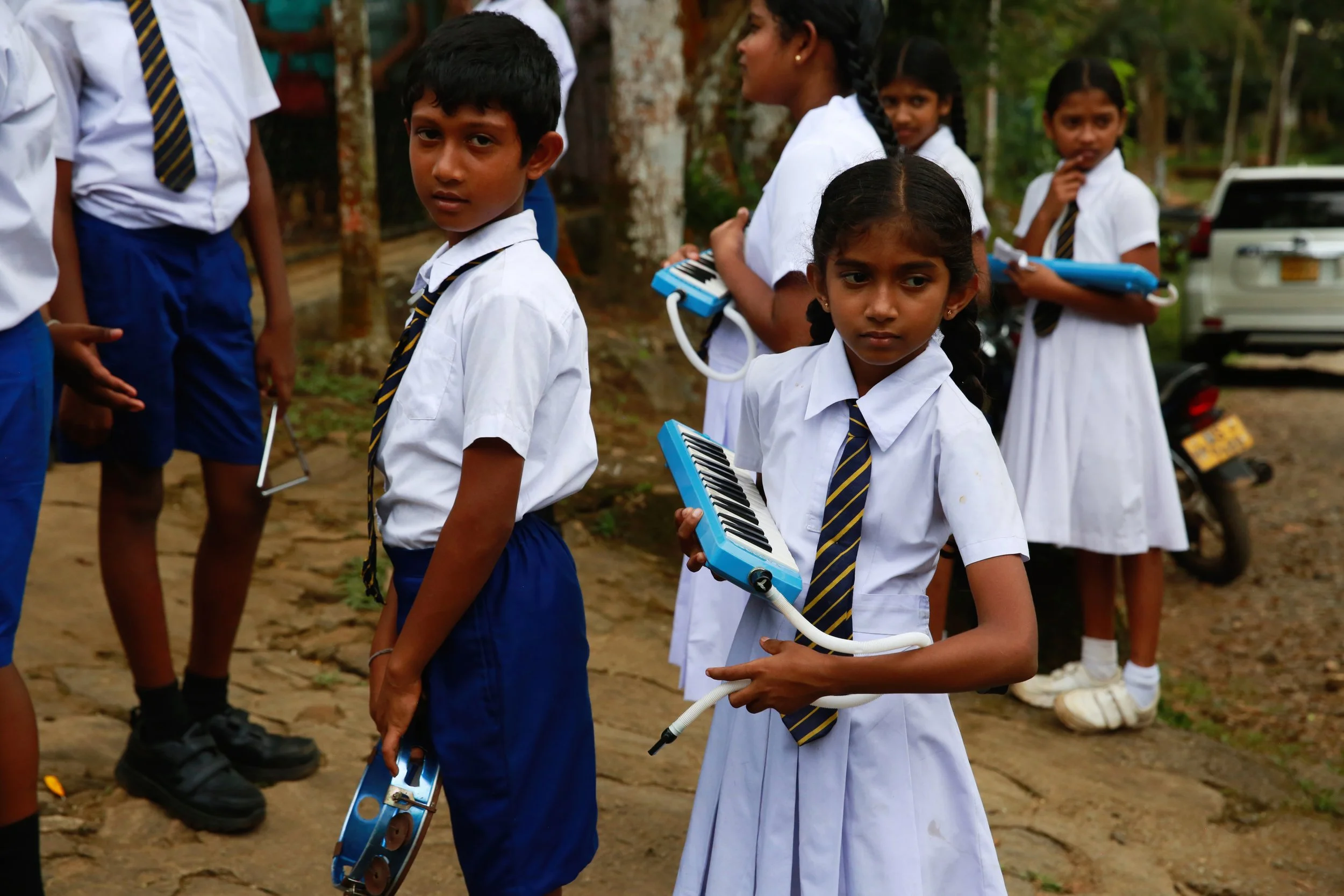
The company invests in local community projects, including the Ellawala Deheragoda Primary College in Horana, which many of the factory workers’ kids attend. On the day I visited, there was a celebration to honor Earthfoam’s support, which has included digging a new well and providing ongoing donations of vital supplies. The children gathered to welcome us with stacks of betel leaves (“When the English arrived here they thought our people were vampires,” Karunasena told me, laughing as he referred to the red teeth caused by chewing the mild stimulant) and a spread of baked treats, including aluwa, a candy made of palm treacle, and aasmi, a lacy cookie shaped from coconut flour. Traditional dances followed. The kids in the audience also enjoyed the show, giddy with the universal joy of skipping class. As we left, they pressed lotus flowers into our hands, their waxy, purple blossoms symbolic in Buddhism of the simultaneous natures of cause and effect.
The Fair for Life certification also requires prioritization of purchasing from “smallholders.” Because rubber is a commodity, small farmers are particularly vulnerable to fluctuations in pricing, so a minimum price for their goods is guaranteed. Earthfoam helps these farmers obtain organic certification, allowing their latex to command higher prices. These practices clearly benefit producers, making it sustainable for them to keep growing latex even when the price drops, but also buyers, ensuring a reliable supply chain.
I thought about this long chain as I stood below a rubber tree in Monaragala. A farmer approached with what looked like a small chisel, and proceeded to run it along a groove in the tree’s trunk. After a few moments, latex began to drip very slowly into a rubber cup that had been attached to the tree with a bit of wire. The surrounding trees were planted in long, straight lines, their canopy diffusing the bright sun, so the light that reached the ground was dappled. Rubber plantations mimic natural forests, so other crops can be cultivated between the trees. Around me, I could see pepper, cinnamon, and cocoa growing.
One rubber tree can supply about 20 grams of latex a day; a single queen mattress requires the output of 2500 trees, or about 10 acres. It seemed an almost unimaginable amount of tiny drops needed to make one bed, along with the individual hands of so many human beings. Yet the process of making these mattresses is far from unique. Every single thing we touch every day comes from somewhere. The question is: Where?